From spreadsheets to a modern data stack: analytics for manufacturing and F&B companies
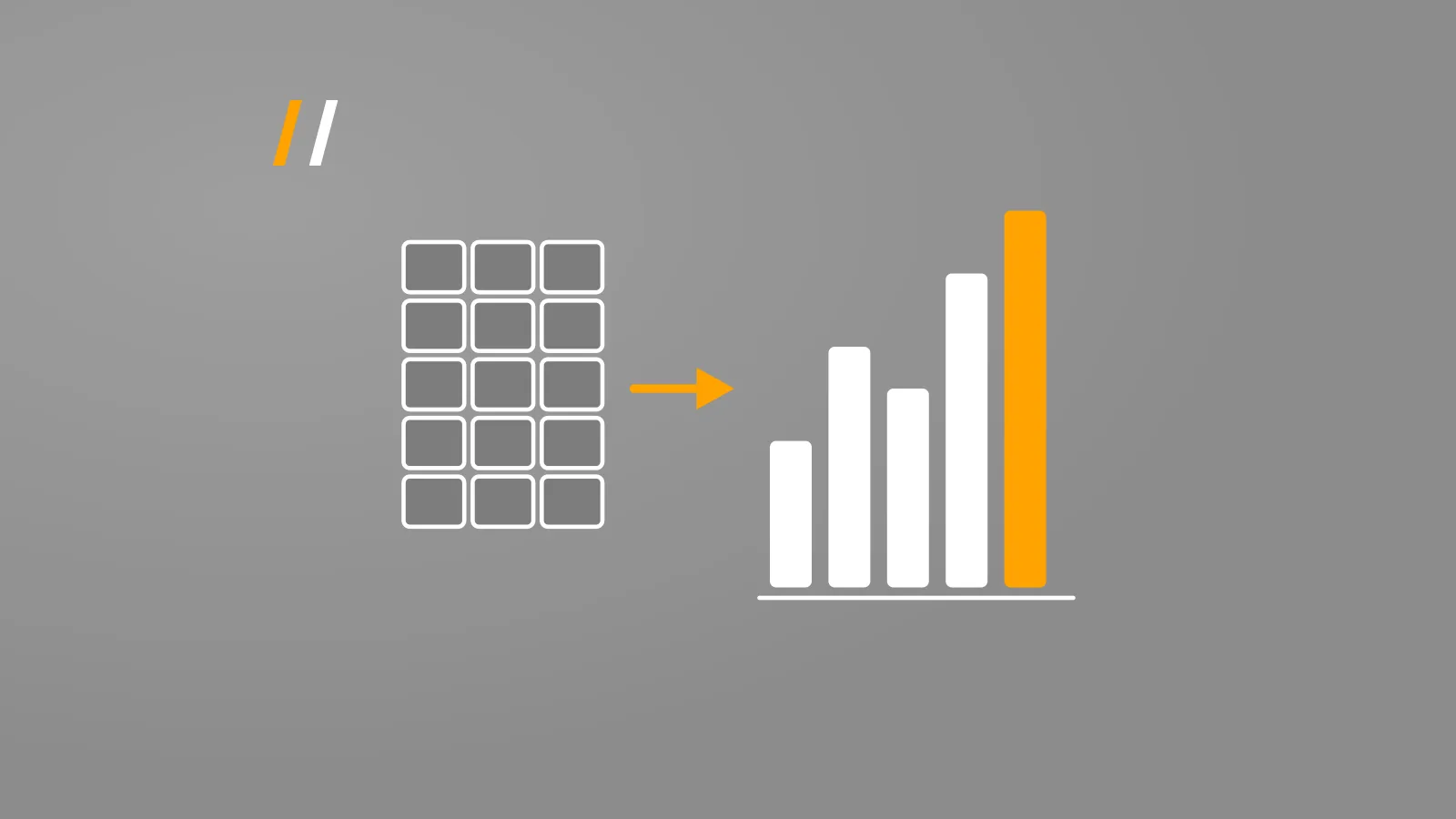
In most manufacturing and food and beverage companies, the numbers that run the business live in spreadsheets fed by exports from the ERP, the point-of-sale system and the warehouse. They are a week old, they disagree, and one person knows how they were made. A modern data stack fixes this for a fraction of what it cost five years ago.
01What a modern data stack is
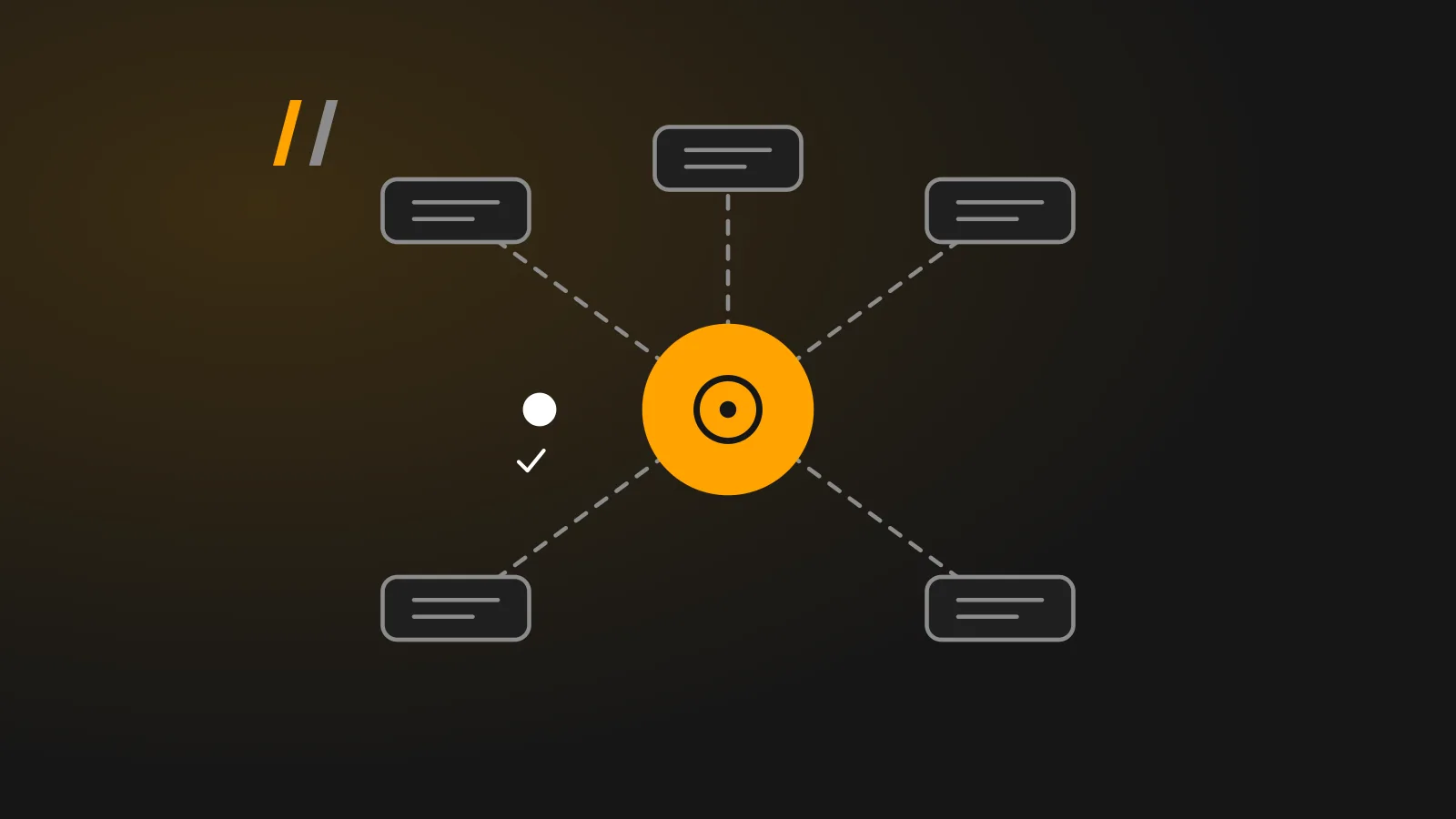
Four layers, each a managed service: ingestion that copies data from your systems automatically; a cloud data warehouse that stores it (BigQuery, Snowflake, or PostgreSQL for smaller volumes); a transformation layer that turns raw tables into clean business metrics with version-controlled definitions; and dashboards that read from them (Power BI, Looker Studio, Metabase). Everything updates on a schedule. Nobody exports anything.
02What changes for the business
- Sales, margin, stock and production figures that agree because they share one definition.
- Daily numbers instead of monthly, so problems are seen in time to act.
- Dashboards per role: the plant manager, the sales director and the CFO each see their view of the same data.
- A foundation for forecasting and AI: demand prediction, stock optimisation and quality analytics need clean, historical data first.
AI projects fail on data. The modern data stack is the unglamorous work that makes them possible.
03Typical use cases in manufacturing and F&B
- Sell-through and stock by outlet, with automatic alerts on low or ageing stock.
- Production yield, downtime and waste by line and shift.
- Supplier delivery performance and cost variance.
- Distributor and street-vendor networks: order patterns, credit exposure and route performance.
- Promotion effectiveness across modern trade, traditional trade and e-commerce.
04What it costs
Managed warehouses and transformation tools are priced on usage, and a mid-size company’s volumes are small. The real cost is the engineering to connect systems and define metrics correctly: typically a two-to-four-month project for the first platform, then a few days a month of maintenance. The spreadsheets it replaces usually cost more in hidden hours.
05Common mistakes
- Starting with the dashboard tool instead of the metric definitions.
- Copying the spreadsheet logic, including its errors, into the warehouse.
- Giving no one ownership: a data platform without an owner decays in a year.
- Skipping data quality checks, so the first wrong number destroys trust.
06Where it leads
Once the platform exists, forecasting, anomaly detection and AI assistants that answer questions about the business become projects of weeks rather than months. The companies that built the data foundation in 2025 and 2026 are the ones shipping useful AI in 2027.
07How Synova helps
We have built operational systems for food and beverage and manufacturing clients, from Bel’s sales and stock intranet to the Georg Fischer showcase application. Our data engineers connect your ERP and operational systems, define the metrics with your teams and deliver dashboards people use.
Frequently asked questions
What does a modern data stack cost for a mid-size manufacturer?
Managed tools are priced on usage and volumes are small; the main cost is a two-to-four-month engineering project to connect systems and define metrics, then light maintenance.
Can we keep Excel?
Yes, as a consumer of the data. Excel connected to the warehouse is fine; Excel as the source of truth is the problem.
Which data warehouse should we choose?
PostgreSQL is enough for many mid-size companies; BigQuery or Snowflake when volumes or concurrency grow. The choice matters less than owning the metric definitions.