Composable commerce in Asia-Pacific: when a headless architecture pays off, and when Magento or Shopify is enough

Retailers in Singapore, Vietnam and the region sell through a web store, a mobile app, marketplaces, social commerce and physical stores at the same time. “Composable commerce” is the architecture that lets one catalogue, one price list and one order history serve all of them. It is powerful, and for many companies it is more than they need. This article helps you decide.
01What composable means
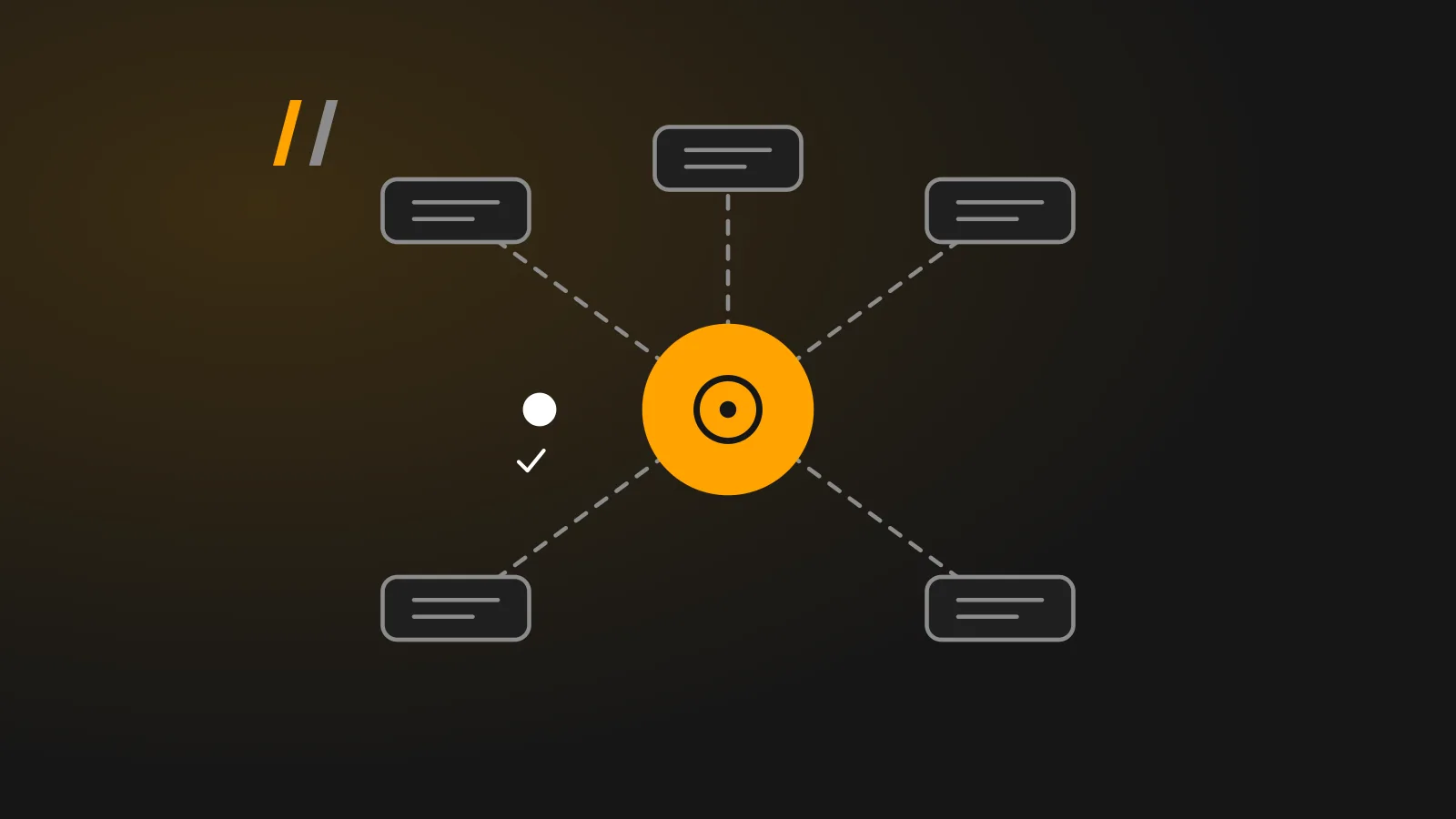
Instead of one platform that does everything, you assemble best-of-breed services behind APIs: a commerce engine for catalogue and cart, a content system for pages, a search service, a payment provider, an order management system, and front ends for each channel. The front end is “headless” because it talks to these services rather than being generated by the commerce platform.
02Signs you need it
- You sell through three or more channels and each one needs different content and promotions.
- Your marketing team is blocked by the commerce platform’s templates.
- Peak events such as 11.11 or year-end sales strain your current platform.
- You plan to add a mobile app, a B2B portal or in-store kiosks on the same catalogue.
- You have, or can hire, engineers who will own the integration.
03Signs you do not
- One web store, modest traffic, a small team: Shopify or a well-configured Magento or WooCommerce store will serve you better and cheaper.
- No in-house or partner engineering capacity: composable architectures need someone to own them.
- The main problem is content or conversion, not architecture: fix the store first.
Composable is a capability for companies with several channels and an engineering owner. It is not a cure for a slow website.
04The APAC specifics
Marketplaces such as Shopee, Lazada and Tokopedia, social commerce on TikTok Shop and Facebook, and local payment and logistics providers dominate the region. A composable stack earns its cost when it feeds all of them from one source of truth for products, stock and orders. Localised payment (PayNow, VietQR, MoMo and others), e-invoicing and multi-currency pricing are integration points to plan from the start.
05A pragmatic middle path
Many mid-size retailers do best with a “headless-ready” platform: Magento or Shopify as the commerce core, a modern front end built with Next.js or Astro for performance and SEO, and APIs to marketplaces and the ERP. It gives most of the flexibility without rebuilding the commerce engine, and it keeps an upgrade path to full composable later.
06Performance and SEO still decide revenue
Whatever the architecture, Core Web Vitals, structured product data and fast search drive the organic traffic and conversion that pay for the project. A headless front end makes these easier to achieve, but only if the team measures them.
07How Synova helps
We advise on the architecture that fits your channels and team, build Magento, WooCommerce, Shopify and headless front ends, and integrate them with marketplaces, payments and your ERP. Clients include EDF’s Magento store and Teezily’s custom design platform.
Frequently asked questions
What is headless commerce?
An architecture in which the storefront (web, app, kiosk) is built separately and talks to the commerce platform through APIs, so each channel can be designed freely while sharing one catalogue and order system.
Is Shopify enough for a growing retailer?
For a single web store with modest integrations, usually yes. When you add marketplaces, a mobile app, B2B or several countries, a headless-ready or composable setup becomes worth its cost.
How long does a headless front end take to build?
A performance-focused storefront on Next.js or Astro over an existing Magento or Shopify backend typically takes two to four months, including SEO and analytics.